Operations21 May 20264 min

Digital Waste Tracking Is Coming. Has Anyone Told the Driver?

Mal Rigoli

Mal Rigoli

Co-Founder, Wasters

Digital Waste Tracking Is Coming. Has Anyone Told the Driver?

It's about the people who've been doing this job on paper for twenty years.

The People on the Round

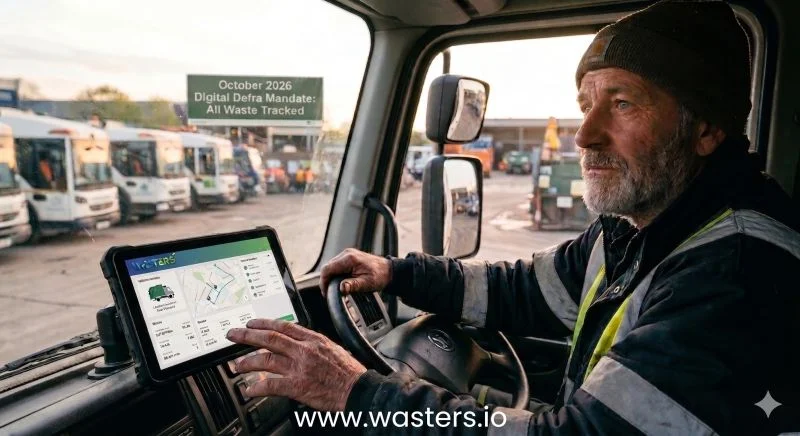
There's a driver I keep thinking about. He's been in waste his whole career. Knows every road on his round. Knows which sites run late, which customers are awkward, which jobs are worth taking and which aren't. That knowledge lives in his head — built up over decades of doing the work. In October 2026, his industry goes digital. And nobody has really talked to him about what that means. Not because anyone is being careless. But because most of the conversation about digital waste tracking has happened at the wrong level — legislation, compliance, software, deadlines. The operational reality of what this means for the people actually doing the job has barely been touched.

The Human Element of Process Change

For a site manager who's been running paper manifests since before smartphones existed, digital tracking isn't just a new process. It's a signal — intended or not — that the way they've always done things wasn't good enough. That's not what the legislation means. But it can be what it feels like. And how businesses handle that gap — between what the mandate requires and what their people experience — will matter more than the software they choose. The operators who get this right won't just be the ones who hit the October deadline. They'll be the ones who brought their teams with them. Who explained not just what was changing but why. Who made the technology feel like a tool that works for the driver, the site manager, the small operator — not just the regulator.

The Operational Benefits of Digital Data

Here is what's interesting. The data that digital waste tracking gives doesn't just help the business owner. It helps the people doing the work too. A driver who can see which routes are efficient and which aren't has information he never had before. A site manager with real time visibility of what's coming in and going out isn't firefighting blind anymore. They can see what's inbound before it arrives — plan space, allocate resource, avoid the bottlenecks that eat time and cost money. That's not a compliance benefit. That's an operational benefit. A small operator who knows exactly which jobs are profitable can make better decisions about which work to take on. Paper kept everyone in the dark — not just the boss. Digital changes that for everyone.

Investing in People, Not Just Processes

The businesses that will get this right won't just be the ones that found the best software. They'll be the ones that invested as much in their people as their processes. Training that actually makes sense to someone who's never used a digital system before. Time to get familiar before October, not after. A culture that treats the change as something happening with the team — not to them. The technology is the easy part. It always is. The hard part — and the part that will separate the businesses that thrive from the ones that just cope — is bringing people with you. There is still time to do that well. But only if you start now.

Is your system ready for October 2026?

Don't leave digital waste compliance to vague supplier commitments. Verify your path forward with a focused compliance layer built for the DEFRA API.

Read Next